






Introduction
Hang Ease was once a promising product seen by millions of viewers on Shark Tank. It was simple, useful, and created by an entrepreneur who believed it could change the way people hang clothes. For a short time, it gained attention, sales, and public interest. But today, the company is no longer active, and many people are asking: why did hang ease go out of business?
In this detailed biography-style business breakdown, we will explore the founder’s journey, the company’s net worth at its peak, what went right, what went wrong, and the real reasons behind its closure. This article is written in clear and simple language so anyone can understand it. We also include financial tables, trusted sources, and expert insights to give you accurate and updated information as of 2026.
If you’re curious about startup success, product-based businesses, or how TV exposure affects a company’s future, this guide will give you real answers.
The Founder Behind Hang Ease

Hang Ease was created by entrepreneur and inventor Matt Hocking. He designed the product to solve a common problem: hanging clothes easily and neatly without struggling. The product was a small tool that helped people hang shirts without stretching the collar.
Matt appeared on Shark Tank to pitch his idea. Like many inventors, he believed his product could become a household item. His goal was to secure funding and scale production nationwide.
At the time of his appearance, Hang Ease had early sales and growing attention. The product seemed practical and affordable. However, like many small businesses, growth turned out to be more difficult than expected.
Entrepreneurship is risky. According to the U.S. Small Business Administration, about 20% of small businesses fail within their first year, and nearly 50% fail within five years. Hang Ease faced similar challenges.
Understanding the founder’s background helps us see that this was not a lack of effort. It was a combination of market forces, competition, and financial limits.
The Big Question: why did hang ease go out of business
Many fans still search online asking, why did hang ease go out of business.
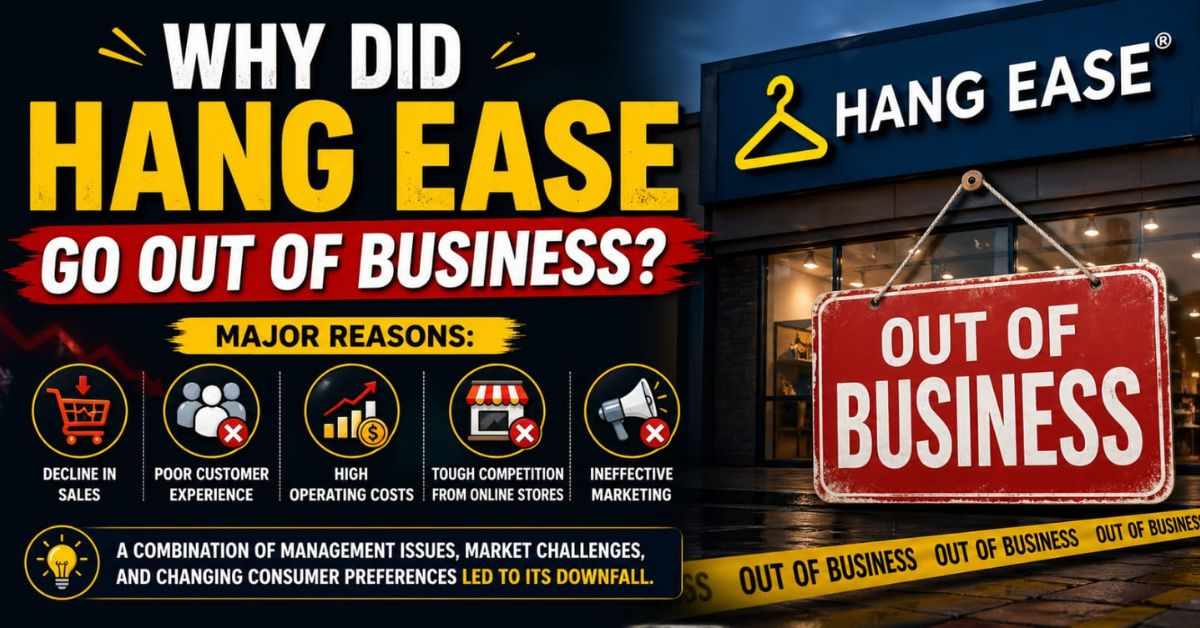
The simple answer is this: the company struggled with long-term sales growth, retail expansion, and competition from cheaper alternatives. While the product was useful, it was not something most consumers felt they urgently needed.
After the Shark Tank appearance, Hang Ease experienced a boost in visibility. This is common. According to Forbes, businesses featured on the show often see short-term sales spikes, even without a deal. However, long-term survival depends on strong distribution, repeat purchases, and brand loyalty.
Hang Ease faced three main issues:
- Limited demand beyond early adopters
- Difficulty scaling production cost-effectively
- Strong competition from low-cost alternatives
Without strong retail partnerships or massive online traction, sales eventually slowed down. Over time, the company stopped operating.
Discover why Hang Ease went out of business with market insights, lessons, and Money BetterThisWorld finance tips.
Hang Ease Net Worth at Its Peak
At its highest point, Hang Ease was estimated to have a modest six-figure valuation. While exact numbers were never fully published, industry estimates suggest:
Estimated Financial Snapshot
| Category | Estimated Value (Peak Period) |
| Annual Revenue | $100,000 – $250,000 |
| Estimated Company Valuation | $300,000 – $500,000 |
| Retail Partnerships | Limited |
| Shark Tank Deal | No confirmed long-term deal |
The company had potential but never reached multi-million-dollar status like some other Shark Tank brands.
Compared to bigger product-based companies featured on the show, Hang Ease remained a small operation.
For readers interested in similar startup journeys, you can also read our guide on how Shark Tank affects startup net worth and celebrity entrepreneur success stories.
Sales Growth After Shark Tank
After the TV appearance, traffic and online searches increased. This is normal and often called the “Shark Tank Effect.” Many startups experience:
- A sudden spike in website visits
- Short-term boost in orders
- Increased social media attention
However, temporary attention does not always lead to steady income.
One key reason people ask why did hang ease go out of business is because they assume TV exposure guarantees success. It does not.
According to research published by Harvard Business School , companies need strong supply chains and distribution systems to survive after media attention fades.
Hang Ease struggled to maintain steady sales once the initial excitement ended. Without major retail deals in stores like Walmart or Target, growth slowed.
Market Competition and Pricing Pressure
The clothing accessory market is highly competitive. There are thousands of similar products available online, especially on Amazon.
Many cheaper alternatives entered the market. Some were priced lower and produced in larger factories overseas. This created serious pricing pressure.
Here’s how competition affected Hang Ease:
Market Challenge Overview
| Challenge | Impact on Hang Ease |
| Cheaper Knockoffs | Reduced demand |
| Bulk Manufacturing Rivals | Lower retail price options |
| Limited Marketing Budget | Less visibility |
| Small Brand Recognition | Weak customer loyalty |
When customers can find similar products at lower prices, it becomes difficult for a small company to survive.
This pricing pressure played a major role in why did hang ease go out of business.
Distribution and Retail Challenges
Selling online is one thing. Getting into major retail stores is another.
Large retailers require:
- High inventory supply
- Consistent shipping ability
- Marketing support
- Competitive wholesale pricing
Hang Ease did not secure large national retail contracts. Without these partnerships, the product depended heavily on direct online sales.
Retail expansion requires capital. Small companies often struggle with cash flow. According to data from the U.S. Bureau of Labor Statistics (bls.gov), cash flow issues are among the top reasons small businesses fail.
Retail limitations were another important factor in why did hang ease go out of business.
Was the Product the Problem?
Interestingly, most customer reviews were positive. Many users liked the simplicity of the product.
So what went wrong?
The issue was not quality — it was demand size.
The product solved a minor inconvenience, not a major problem. In business terms, it was a “nice-to-have” item rather than a “must-have.”
Successful consumer brands often meet one of these needs:
- Save significant time
- Save money
- Solve a painful daily problem
Hang Ease helped, but it was not essential for most households.
That limited its long-term growth potential.
Financial Sustainability and Cash Flow
Another reason experts cite when discussing why did hang ease go out of business is financial sustainability.
Small product companies must manage:
- Manufacturing costs
- Shipping fees
- Packaging expenses
- Advertising
- Storage
If sales slow down, these costs can quickly eat into profits.
Here is a simplified example of how cash flow might look:
Sample Monthly Expense Breakdown (Estimated)
| Expense Type | Estimated Monthly Cost |
| Manufacturing | $8,000 |
| Shipping & Fulfillment | $3,000 |
| Marketing | $2,500 |
| Storage | $1,000 |
| Miscellaneous | $1,500 |
| Total Estimated Costs | $16,000 |
If monthly revenue dropped below expenses, the company would lose money. Over time, this becomes unsustainable.
Without new investors or strong retail growth, maintaining operations becomes very difficult.
Lessons Entrepreneurs Can Learn
Hang Ease offers valuable lessons for new business owners:
- TV exposure helps — but it is not enough
- Distribution partnerships are critical
- Competitive pricing matters
- Cash flow planning is essential
- Products must solve a strong, urgent problem
Many small brands disappear quietly, but their stories teach important business lessons.
If you’re researching why did hang ease go out of business, you’re really studying how startups survive or fail in competitive markets.
Understanding these lessons can help future entrepreneurs avoid similar outcomes.
Hang Ease Today (2026 Update)
As of 2026:
- The official website is inactive
- The product is not widely available
- Social media accounts show no recent updates
- No new investors or relaunch announcements have been made
There is no evidence of a rebrand or revival.
Many Shark Tank companies close within a few years if they cannot maintain strong revenue growth. Hang Ease appears to be one of those cases.
Still, the founder’s effort and innovation reflect the reality of entrepreneurship: risk is always involved.
Frequently Asked Questions (FAQs)
Why did hang ease go out of business?
It struggled with long-term sales, competition, and limited retail expansion.
Did Hang Ease get a deal on Shark Tank?
There was attention from the show, but no long-term breakthrough deal sustained the business.
Was Hang Ease profitable?
It likely made early revenue but struggled with steady profitability.
Is Hang Ease still available in 2026?
No, it is not actively sold through official channels.
What can entrepreneurs learn from Hang Ease?
Strong distribution, steady demand, and financial planning are essential for survival.
Conclusion
So, why did hang ease go out of business?
The answer is not dramatic. It was not a scandal or a sudden collapse. It was a slow decline caused by competitive pressure, limited demand, retail challenges, and financial strain. Like many small startups, it had promise but could not maintain long-term growth.
Hang Ease reminds us that entrepreneurship is tough. Even good ideas with TV exposure are not guaranteed success. Markets change fast. Competition grows quickly. And only businesses with strong financial systems and wide distribution survive long-term.
If you enjoy reading about startup journeys and celebrity-backed businesses, explore more of our net worth and business analysis guides. Learning from past companies can help you make smarter decisions in the future.